
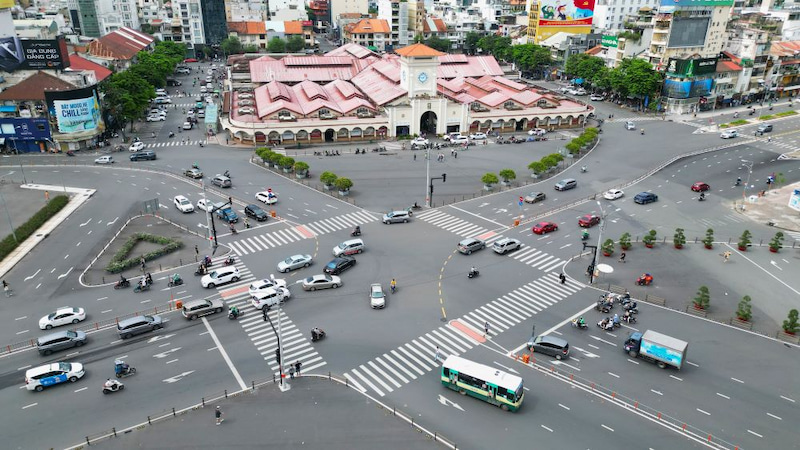
If Saigon had a heartbeat, you would hear it most clearly at Ben Thanh Market. More than just a place to shop, this bustling landmark is a sensory explosion where the city’s past and present collide in the most vibrant way.
From the aromatic steam of local street food to the colorful displays of silk and handicrafts, every corner of the market tells a story of Vietnamese hospitality and spirit. Whether you are searching for a unique souvenir or simply want to immerse yourself in the energetic daily life of the locals, Ben Thanh is the ultimate starting point for any adventure. Let Golden Smile Travel guide you through the lively aisles of this iconic Saigon treasure!
1. About Ben Thanh market
Ben Thanh Market is a premier historical landmark situated at a strategic intersection in District 1, serving as the vibrant heart of Ho Chi Minh City. The market officially operates from 6:00 AM to 6:00 PM for indoor trading, followed by a lively night market that offers diverse street food until 10:00 PM. Beyond its role as a bustling commercial hub for handicrafts and local spices, the structure remains a vital cultural icon that has witnessed over a century of urban development. Its unique clock tower at the South Gate has become an unofficial symbol of the city’s resilience and welcoming spirit. Today, it stands as a living museum where the traditional trading heritage perfectly blends with the dynamic pace of modern Vietnamese life. For international tourists and locals alike, visiting this architectural gem is an essential experience to truly understand the soul of Saigon.
2. The history of Ben Thanh Market Ho Chi Minh City
The history of Ben Thanh Market began in the early 17th century as a humble wet market located near the Ben Nghe River. Originally, it was a busy cluster of thatched-roof stalls where local merchants traded goods with soldiers and travelers arriving by boat. The name “Ben Thanh” was derived from its proximity to a river wharf (Ben) near the Gia Dinh Citadel (Thanh). During this early period, the market played a crucial role as a primary trading post for the developing southern region. Following the French conquest in 1859, the original market was unfortunately destroyed by fire, leading to plans for a more permanent site.
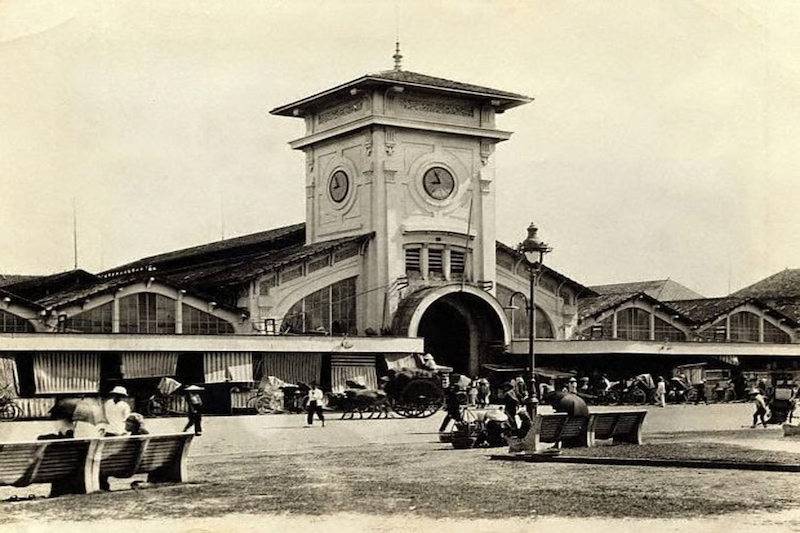
In 1912, the French colonial government decided to move the market to its current central location near the railway station. The construction of the new market officially started in the same year to meet the increasing commercial demands of the growing city. This strategic relocation allowed the market to expand significantly and become the most modern trading hub in Indochina at that time. By March 1914, the grand opening ceremony was held, marking the formal birth of the Ben Thanh Market we see today. Since then, the market has remained at this site, serving as a permanent witness to the city’s urban transformation.
Throughout the 20th century, the market survived many significant political and social shifts in Vietnam’s turbulent history during the wars. It stood firm through the transition from the colonial era to the nation’s reunification period in 1975, maintaining its trading functions. The market has evolved from a traditional supply point into a major economic landmark and a world-renowned destination for international travelers. It represents the enduring spirit and resilience of the people in Saigon who have adapted to change while honoring their heritage. Today, the century-old history of the market is deeply intertwined with the development and pride of Ho Chi Minh City.
3. Explore the symbolic architecture of Ben Thanh Market
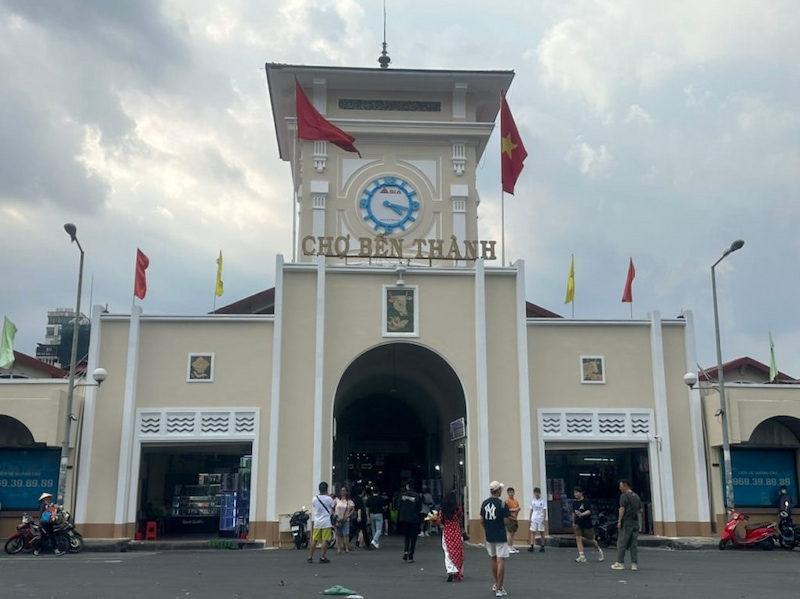
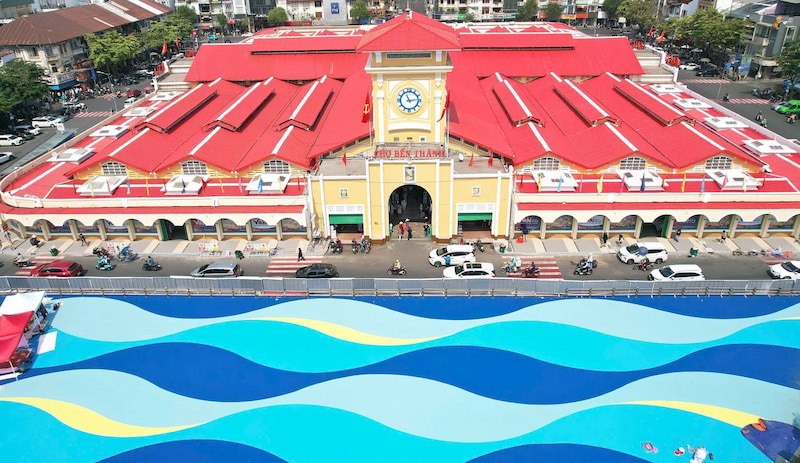
The most recognizable architectural feature of Ben Thanh Market is the majestic four-sided clock tower located at the South Gate. This tower has stood as an enduring symbol of Ho Chi Minh City, greeting visitors with its classic and timeless design. The three-meter diameter clock was imported from France, reflecting the sophisticated European influence on the city’s early 20th-century urban landscape. Below the tower, the main entrance is adorned with vibrant ceramic reliefs depicting traditional scenes of southern Vietnamese life. This iconic gateway serves as a powerful visual representation of the market’s historical and cultural identity for generations.
The market’s architecture is a brilliant combination of French colonial aesthetics and practical indigenous elements designed for the tropical climate. The building features a spacious interior with high vaulted ceilings and thick brick walls that help maintain a cool atmosphere inside. A massive wooden and steel roof structure provides essential shade and protection from the intense sun and heavy seasonal rains of Saigon. Small louvered windows are strategically placed throughout the walls to ensure natural ventilation and constant airflow for the busy trading areas. This functional design demonstrates the clever integration of Western engineering with the specific environmental needs of a Southeast Asian metropolis.
Beyond the famous clock tower, the market’s unique layout includes four main gates facing the primary cardinal directions of the city. Each gate represents a specific category of goods, such as textiles at the East Gate or fresh produce at the North Gate. These entrances are decorated with intricate carvings and traditional tiled roofs that blend harmoniously with the surrounding modern urban architecture. The symmetrical design of the market creates a sense of balance and order amidst the chaotic and lively atmosphere of daily trading. Today, these symbolic gates continue to welcome thousands of visitors, representing the open and hospitable spirit of the people of Saigon.
4. Enjoy delectable Ben Thanh Market food
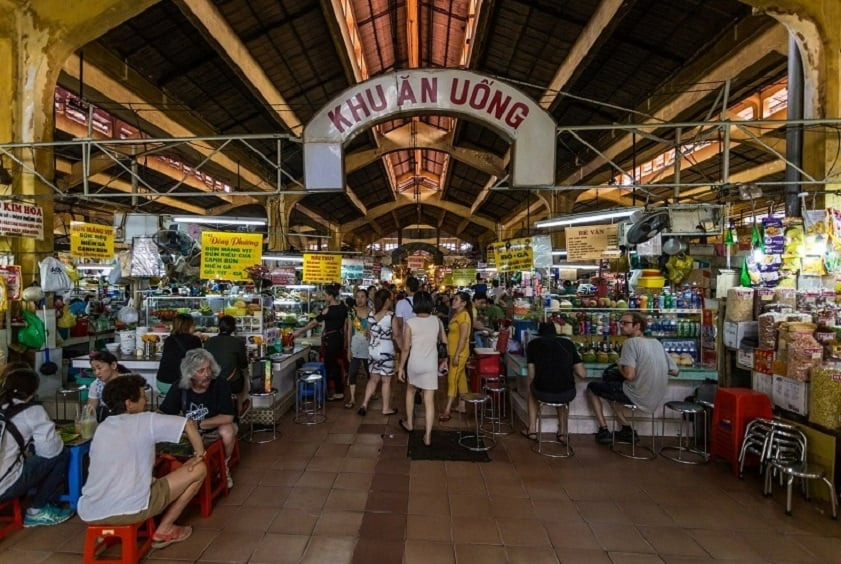
Ben Thanh Market is widely considered a culinary paradise where visitors can discover the authentic taste of southern Vietnamese cuisine. Inside the food court, dozens of stalls offer a vast variety of iconic dishes such as Pho, Bun Bo Hue, and Banh Xeo. These traditional meals are prepared using fresh ingredients sourced directly from the market’s produce section every single morning. The vibrant atmosphere, filled with the enticing aromas of herbs and grilled meats, creates an unforgettable dining experience for every food lover. From savory main courses to delicate local snacks, the market provides a complete journey through the rich flavors of Saigon.
One of the most famous highlights of the market’s food scene is the wide selection of colorful Vietnamese desserts and sweet soups. Visitors can easily find various types of “Che,” a traditional sweet soup made with beans, coconut milk, and seasonal tropical fruits. These refreshing treats are perfect for cooling down after a long day of exploring the busy and humid streets of the city. Skilled vendors often display their colorful ingredients in glass jars, attracting the eyes of curious tourists and hungry local residents alike. Tasting these sweet delicacies is an essential part of understanding the diverse and creative nature of Vietnam’s unique street food culture.
As the sun sets, the culinary adventure continues outside the market with the opening of the lively and bustling Ben Thanh night market. Modern street food stalls are set up along the surrounding sidewalks, offering a more energetic and social atmosphere for late-night dining. Tourists can enjoy freshly grilled seafood, flavorful skewers, and cold local beer while watching the dynamic movement of the city’s evening traffic. This outdoor dining experience allows people to connect with the local lifestyle and enjoy the cool nighttime breeze of central Saigon. It is the perfect way to end a successful day of sightseeing while immersing oneself in the energetic spirit of the metropolis.
5. Buy Ben Thanh Market souvenirs for your beloved
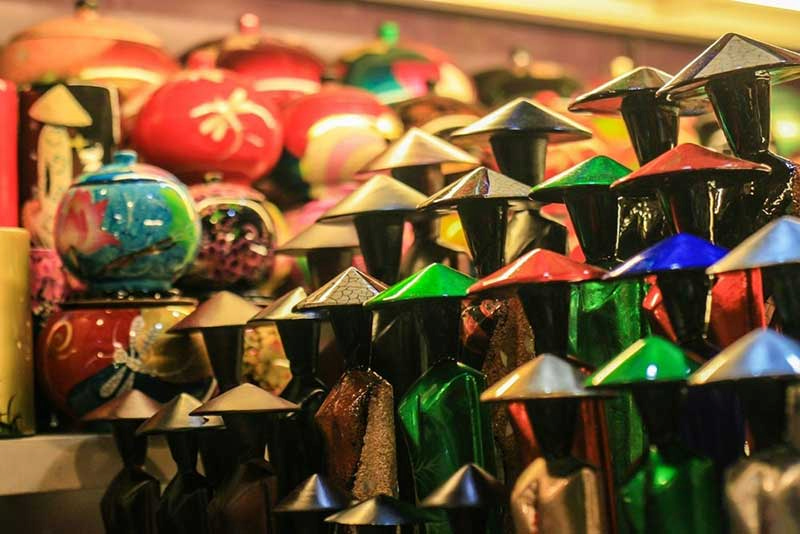
Ben Thanh Market is an ideal destination for finding sophisticated and high-quality traditional Vietnamese handicrafts as special gifts. Visitors can explore a vast collection of lacquerware, including beautiful bowls, jewelry boxes, and decorative paintings with intricate patterns. These items are carefully crafted by skilled local artisans, representing the long-standing artistic heritage of the Vietnamese people. Many tourists are particularly attracted to the delicate bamboo products and hand-woven baskets that reflect a rustic charm. Buying these unique handicrafts is a great way to support local craftsmanship while bringing home a piece of Saigon.
The market is also famous for its diverse selection of elegant textiles, ranging from premium silk to colorful cotton fabrics. One of the most popular souvenirs is the “Ao Dai,” the traditional Vietnamese long dress, which can be custom-made within a day. Skilled tailors at the market provide professional services to ensure a perfect fit for international travelers who want a unique outfit. Additionally, visitors can find beautiful silk scarves and embroidered handbags that are lightweight and easy to carry in their luggage. These fashionable items serve as a wonderful reminder of the graceful and sophisticated style of Vietnamese culture.
For those who prefer practical gifts, the market offers a wide range of local specialties such as dried fruits and coffee beans. Famous Vietnamese coffee brands and traditional tea sets are among the top choices for friends and family back home. Small keepsakes like magnets, keychains, and conical hats (Non La) are also widely available at very affordable prices for budget travelers. Bargaining is a fun part of the shopping experience, allowing visitors to interact with friendly local vendors and get the best deals. These small but meaningful gifts help preserve the joyful memories of a vibrant journey through the heart of Saigon.
6. Golden Smile Travel – The Best Tour Experiences in Vietnam.
Golden Smile Travel is proud to offer visitors an immersive journey into the vibrant Ben Thanh Market. We specialize in tours that blend centuries of trading history with authentic local flavors—from the legendary “broken rice” to the incredible craftsmanship of traditional souvenirs. With our dedicated guides and personalized service, every trip is a safe, inspiring, and a deep dive into the bustling “heart” of Ho Chi Minh City, where the past and present of Vietnam’s commerce meet.
0 Comment