
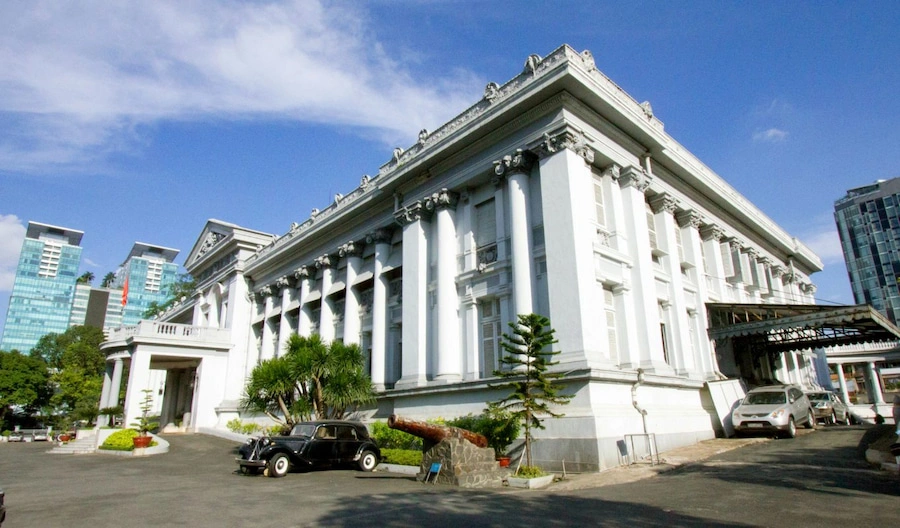
Located in the heart of the vibrant city, the Ho Chi Minh City Museum is a majestic architectural landmark that witnesses the profound transformation of Saigon through the ages. From its intricate sculptural details to its vast collection of historical artifacts, the Ho Chi Minh City Museum offers a captivating journey that blends artistic elegance with the resilient spirit of the Vietnamese people.
1. About Ho Chi Minh City Museum
The Ho Chi Minh City Museum is a prominent historical landmark located at No. 65 Ly Tu Trong, Sai Gon Ward, Ho Chi Minh City, right in the heart of the bustling city. Visitors can explore the Ho Chi Minh City Museum daily from 8:00 AM to 5:00 PM, with an affordable entrance fee of approximately 30,000 VND per person.
2. History of Ho Chi Minh City Museum
2.1 From French Colonial Era to World War II (1885 – 1945)
The construction of the Ho Chi Minh City Museum began in 1885 and was completed in 1890. Designed by French architect Alfred Foulhoux, it was originally intended as a commercial museum but quickly became the official residence for the Governor of Cochinchina. During 1945, the palace witnessed a rapid change of hands between the Japanese Imperial Army, the Empire of Vietnam, and the Viet Minh, serving as the headquarters for various administrative committees during the turbulent end of World War II.
2.2 Under the State and Republic of Vietnam (1948 – 1975)
Between 1948 and 1954, the building served as the Palace of the Premier and became the site of the historic 1950 student protest led by Tran Van On. Later renamed Gia Long Palace, it was the final residence and working place of President Ngo Dinh Diem until the 1963 coup. From 1966 to April 30, 1975, the Ho Chi Minh City Museum functioned as the Supreme Court of the Republic of Vietnam, witnessing the final moments of the old regime before the country’s unification.
2.3 Under the Socialist Republic of Vietnam (1978 – Present)
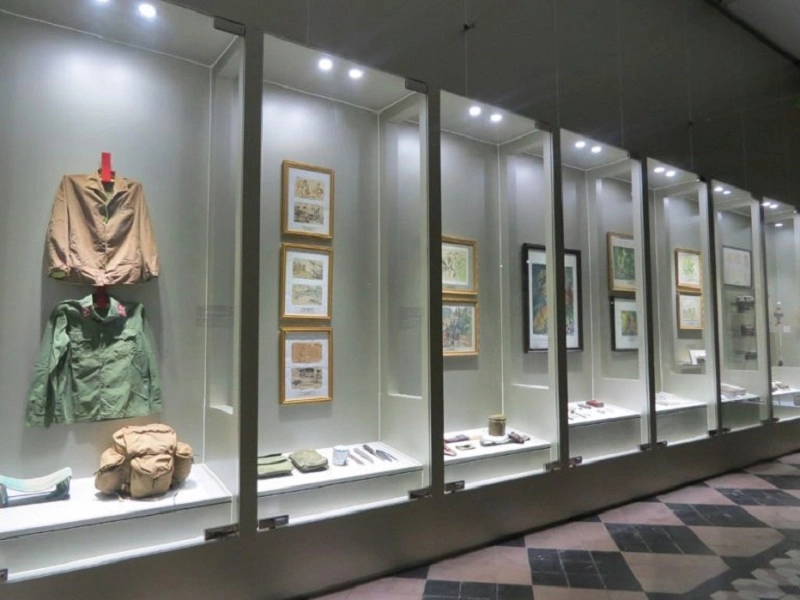
Following the nation’s unification, the building was officially converted into a museum on August 12, 1978. Initially known as the Ho Chi Minh City Revolutionary Museum, it was renamed the Ho Chi Minh City Museum on December 13, 1999. Today, this prestigious institution continues to protect the transformative chronicles of the city for future generations.
3. Explore the architecture of Ho Chi Minh City Museum
3.1 Impressive Western Architecture
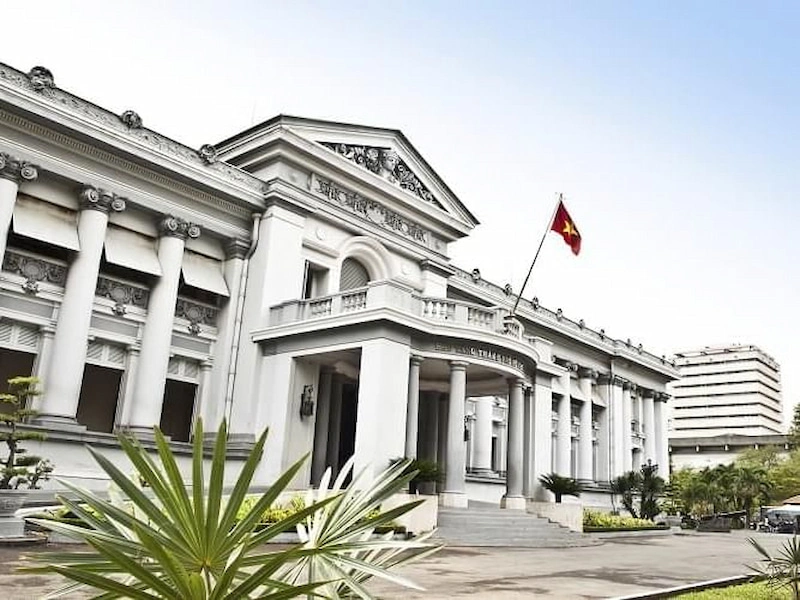
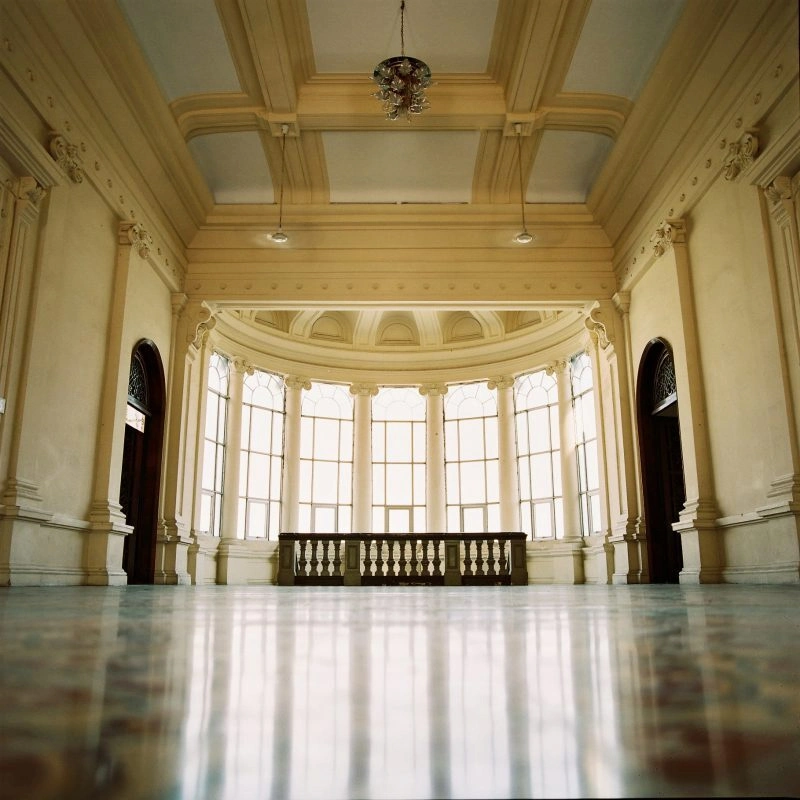
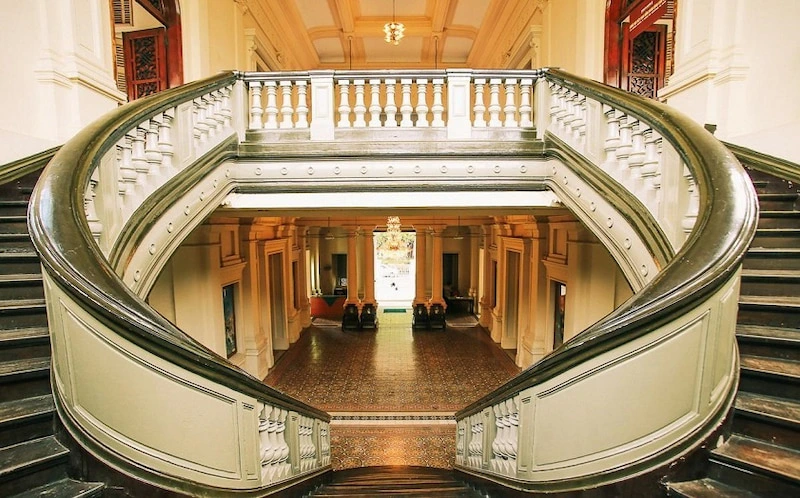
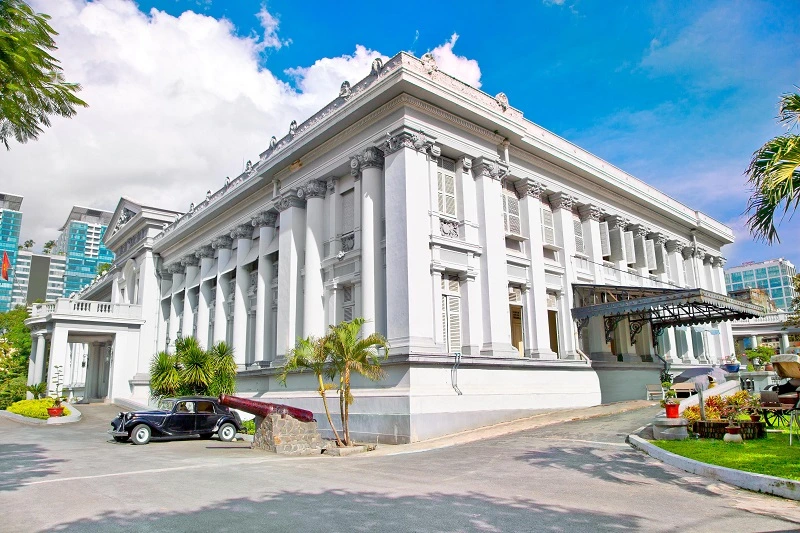
Designed by architect Alfred Foulhoux, the Ho Chi Minh City Museum features a majestic Gothic style blended with subtle Oriental touches. The grand pillars at the facade often remind visitors of the iconic Louvre Museum in Paris, though the original entrance was later replaced with a porch in 1943. The triangular rooftop is adorned with solemn human head statues and intricate carvings of willow branches, roosters, and owls—symbolizing day and night—along with halos representing the sun. These details, inspired by Greek mythology and tropical flora and fauna, create a unique architectural harmony between the West and the East.
3.2 Exhibitions Reimagining Ancient Saigon
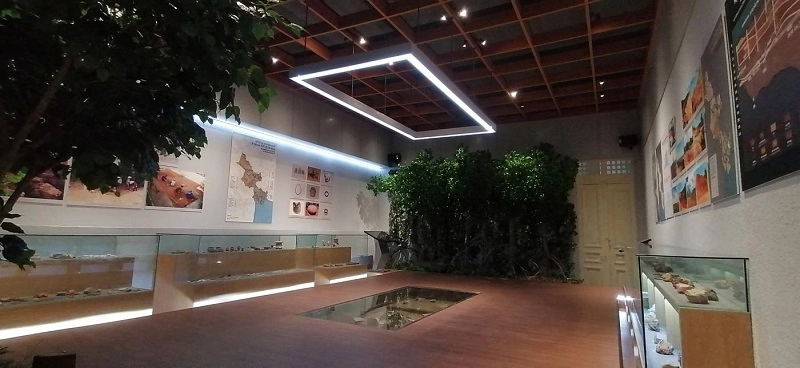
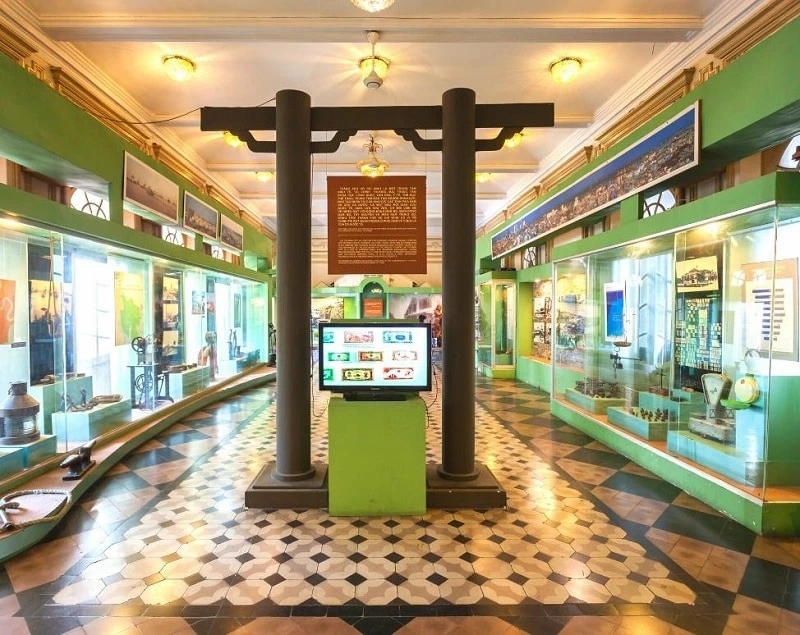
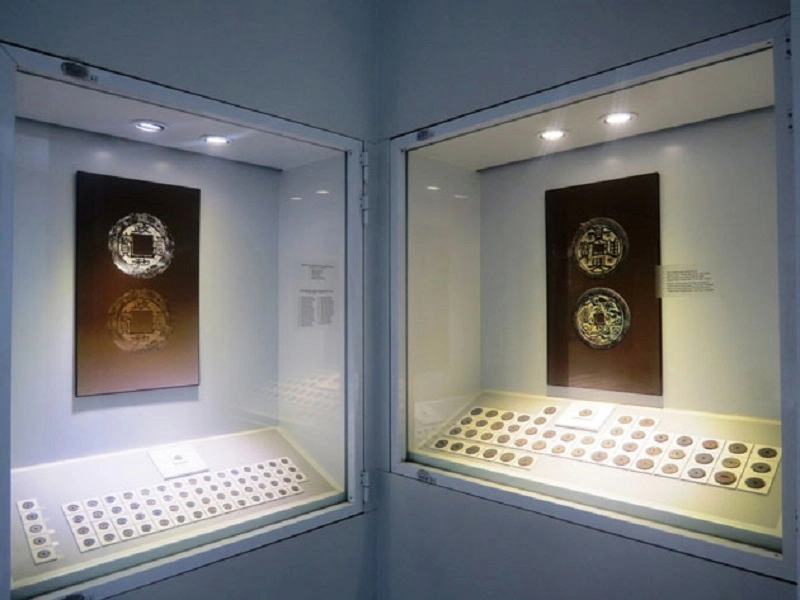
When visiting the Ho Chi Minh City Museum, guests should begin their journey at the Nature – Archaeology room. This gallery showcases the region’s geological history, climate, and the lives of people from 3,500 years ago through artifacts like stone axes and ancient jewelry. Moving to the Geography – Administration room, the Ho Chi Minh City Museum displays a vast collection of maps and artifacts that recreate the city’s urban development from the 17th to the mid-20th century, tracing its growth from a small population of 50,000 to a bustling metropolis of over 6 million people.
4. Note when visiting Ho Chi Minh City Museum
To make the most of your trip to the Ho Chi Minh City Museum, please note that while photography for personal use is generally allowed, professional cameras or commercial photo shoots may require an additional permit fee at the entrance. Visitors are encouraged to explore the mysterious underground tunnels built during the 1960s, but remember to stay within the designated safe areas. As this is a sacred historical site, please maintain a quiet demeanor and avoid touching delicate artifacts to ensure their long-term preservation.
5. Golden Smile Travel – The Best Tour Experiences in Vietnam.
If you are planning to discover the historic charm of the Ho Chi Minh City Museum and the vibrant soul of Saigon, Golden Smile Travel is your perfect companion. As a leading travel agency in Vietnam, we specialize in crafting personalized journeys that blend cultural heritage with modern comfort.
Our expert guides will bring the stories behind the Ho Chi Minh City Museum to life, ensuring you don’t miss any hidden architectural gems or fascinating historical details. Choose Golden Smile Travel for a seamless, high-quality, and unforgettable exploration of Vietnam’s most iconic landmarks.
0 Comment